This curriculum section represents the schools historic approach to the curriculum and is not reflective of current provision and current class structure. However, it does give an overview of our curriculum approach and ethos.
This is currently under review and will be added in due course.
Curriculum Intent
What is our intent?
At Scamblesby Church of England Primary School we aim to teach and support our children to be happy, healthy, confident, resilient, well rounded characters; who achieve the best they possibly can and know how to present themselves in the wider world. Following the 'Scamblesby Way', we want to achieve the best academic outcomes for our children leaving primary education, with knowledge of their locality, the environment and global awareness of the world around them.
Our children have access to a wide range of high quality literature to encourage a lifelong love of reading and to gain an understanding of worlds beyond their locality and experience. We increase their knowledge and skills with technology. We aim to help them to access the benefits of technology beyond recreational use and be prepared for the future.
Music plays an important role in our school, as a means of exploring story-telling, expressing emotions and extending our cultural and personal experiences. We enjoy listening to different genres of music and joining together in song is at the heart of our school community.
The culture for learning and development in our school is based on our Christian ethos and the teachings of Jesus – summed up in our vision: Love, Laugh, Learn, Live. 'The fruit of the Spirit is love, joy, peace, patience, kindness and self-control.' Galatians 5:22
.
Curriculum Implementation
We have developed our curriculum using Development Matters Curriculum Guidance 2023, The Essentials Curriculum by Chris Quigley, alongside the Power of Reading for English, White Rose Mathematics, SCARF PSHE, Music Express and Language Angels for MfL. The curriculum is well sequenced and has the basic (remembering), advancing (knowing) and deep (reasoning) levels to ensure we are building on children’s knowledge and meeting the needs of all learners. We have developed our understanding of SEN learners through CPD and produced a range of strategies to be used with pupils with SEND to enable them to access the same curriculum.
As a small school, we have been able to plan and sequence the curriculum using Chris Quigley's Milestones. We have a clear plan of what children need to achieve in each subject by the end of Milestone 1 (end of Year 2), Milestone 2 (end of Year 3) and Milestone 3 (end of Year 6). Within these Milestones we can use the levels of basic (remembering), advancing (knowing) and deep (reasoning) to build children's knowledge and understanding from remembering the basic facts, through making links between their learning and developing understanding and finally applying this knowledge through reasoning tasks; with a deep understanding of the subject they are learning. This means that children are able to continue to develop and make progress within a mixed age classroom.
Within lessons, we have developed our understanding of Rosenshine's Principles of instruction to support effective learning and built these into lessons slides. This enables all pupils to receive a high quality of education across the school, as implementation is consistent and effective.

|
whole school curriculum overview (2023)48928[54584] | [pdf 742KB] |

|
Early Years Foundation Stage
We have used Development Matters 2020 (2023) to develop our Curriculum for EYFS. Our pupils have an appropriate balance of adult led and child directed activities, supported by high quality continuous provision indoors and outside. We use real-life experiences and objects to support their understanding in all areas. Our Reception children are introduced to our Synthetic Phonics Programme, Bug Club. We have a Pre-school setting, Piggywigs, in the Village Hall next door since September 2023 and we are developing close links with them to promote future smooth transitions. Piggywigs share some of our outdoor space and provide wrap around care for our families.
|
|
EYFS-long-term-plan | [pdf 158KB] |
|
|
|
Autumn Term 1 EYFS plan | [pdf 261KB] |
|
|
|
Autumn Term 2 EYFS plan | [pdf 260KB] |
|
|
|
Spring Term 1 EYFS plan | [pdf 256KB] |
|
|
|
Spring Term 2 EYFS plan | [pdf 253KB] |
|
|
|
Summer Term 1 EYFS plan | [pdf 272KB] |
|
|
|
Summer Term 2 EYFS plan | [pdf 533KB] |
|
ENGLISH
We are a Power of Reading School and use these resources to sequence our reading curriculum, promote a love of reading and provide creative, motivational reasons for writing.
Our early readers develop their phonics and reading skills using Bug Club Phonics and Guided Reading. The Guided Reading resources continue to be used throughout the school up to Year 6 for the discreet teaching of reading.
We use The Power of Reading Teaching sequences to teach writing in context and organise our curriculum to ensure coverage of all purposes for writing, appropriate to age of pupils This supports our discreet teaching of grammar, which is implemented using 'Writing For a Purpose' by Michael Tidd. We teach the Grammar and punctuation skills needed for the writing purpose being taught in the teaching sequence.
Spelling is discreetly taught in Year groups from Year 2, using Jane Considine's Spelling Book.

|
English on a page (1) | [pptx 182KB] |
|
|
|
Butterflies and Hedgehogs CLPE ENGLISH CURRICULUM MAP | [pdf 1MB] |
|
|
|
Badgers CLPE ENGLISH CURRICULUM MAP | [pdf 767KB] |
|
|
|
Otters CLPE ENGLISH CURRICULUM MAP..... | [pdf 936KB] |
|
|
|
4-writing-purposes-guidance1 | [pdf 714KB] |
|
POWER OF READING CASE-STUDY
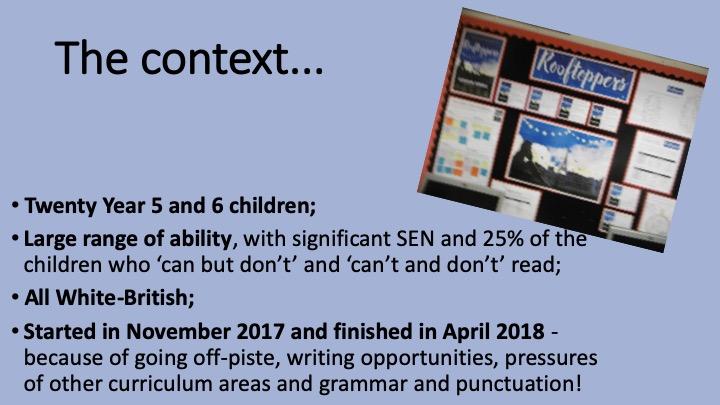
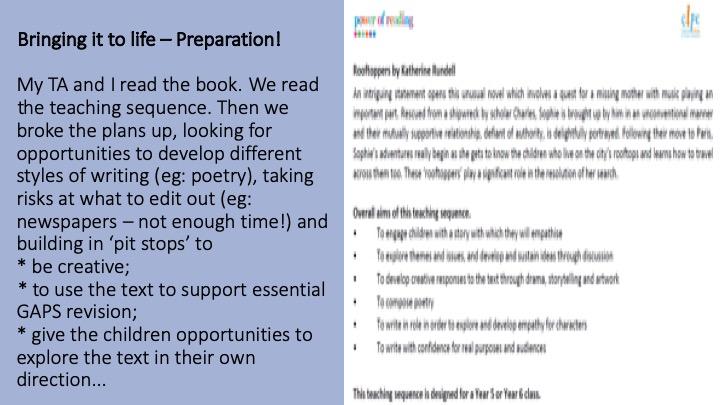
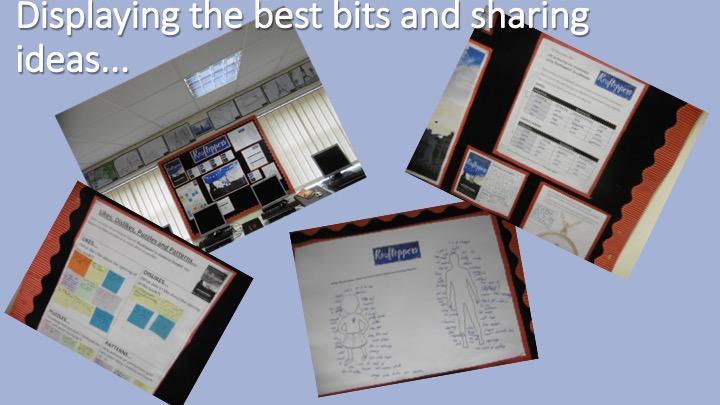
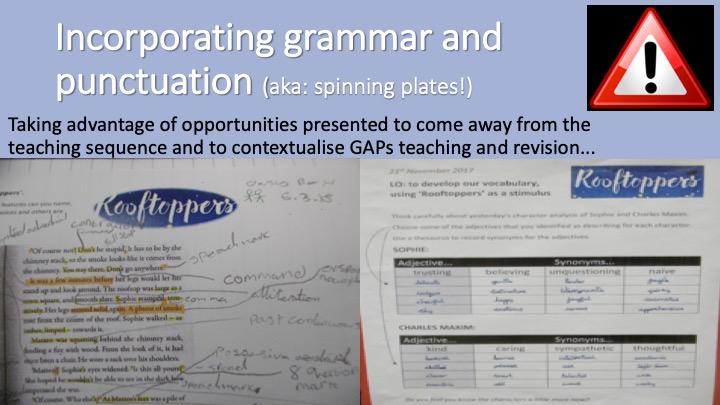
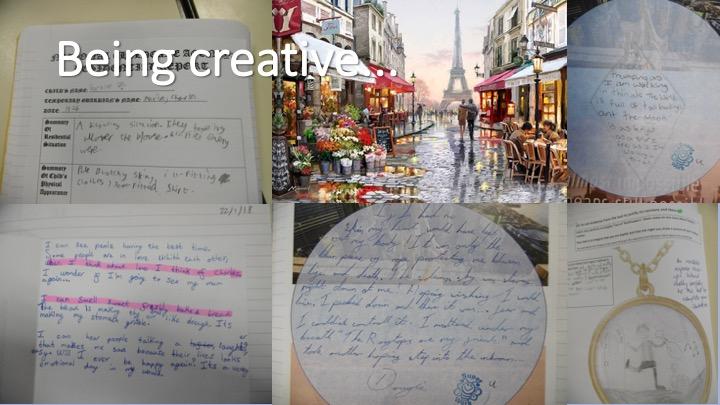
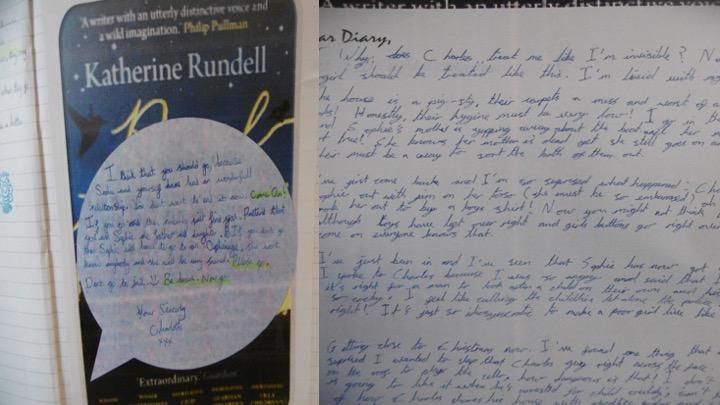
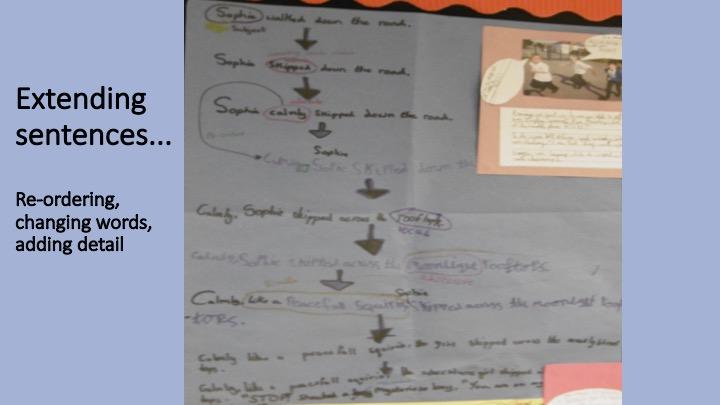
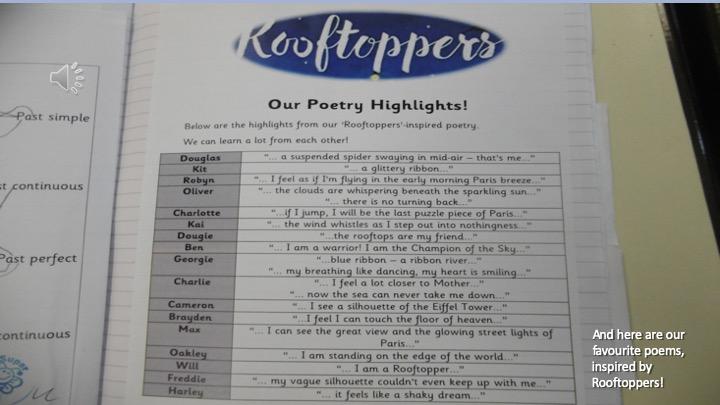
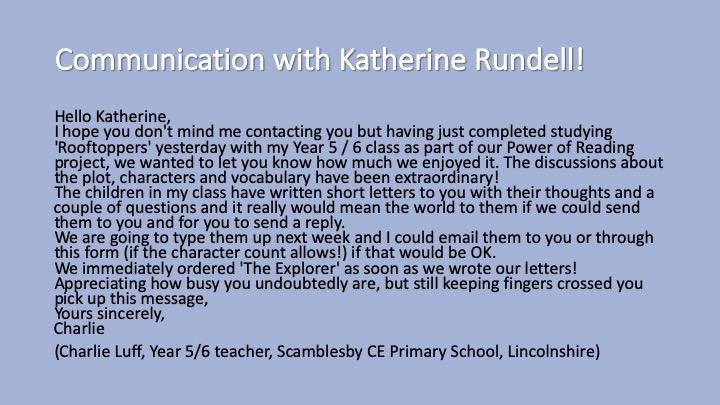
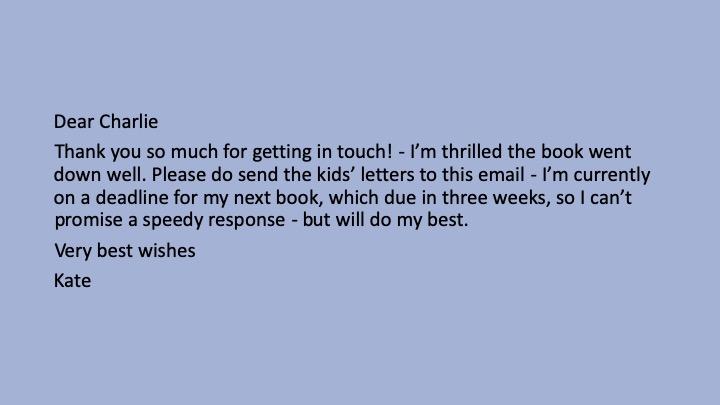
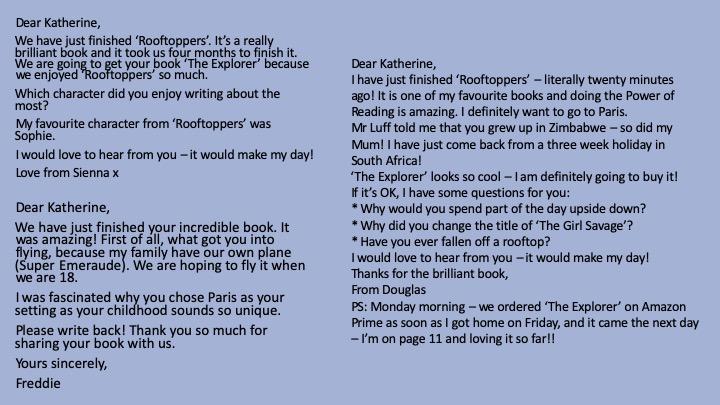
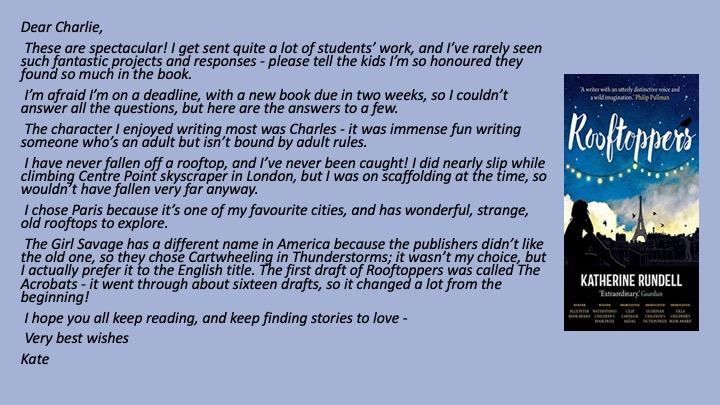
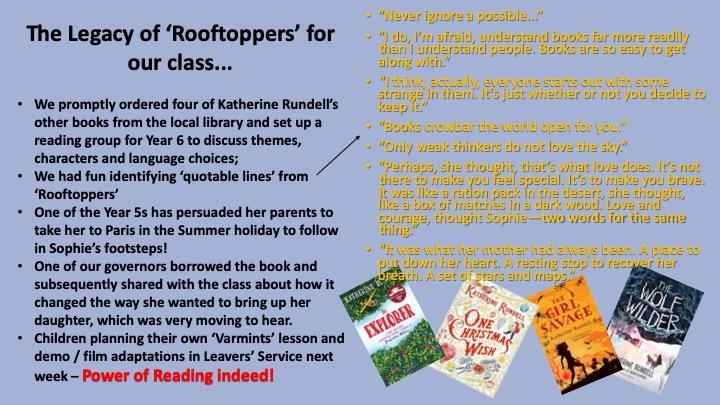
As part of the intensive training which staff received to deliver the Power of Reading initiative, one of the Y5/6 texts, 'Rooftoppers' by Katherine Rundell, was used as part of a presentation by Scamblesby staff to a workshop at the Power of Reading headquarters in Birmingham. The powerpoint that we developed can be seen here.
MATHEMATICS
Using a mastery approach to our teaching and learning of mathematics gives the children the opportunity to embed key skills and strategies to ensure FLUENCY, before developing REASONING and PROBLEM SOLVING.
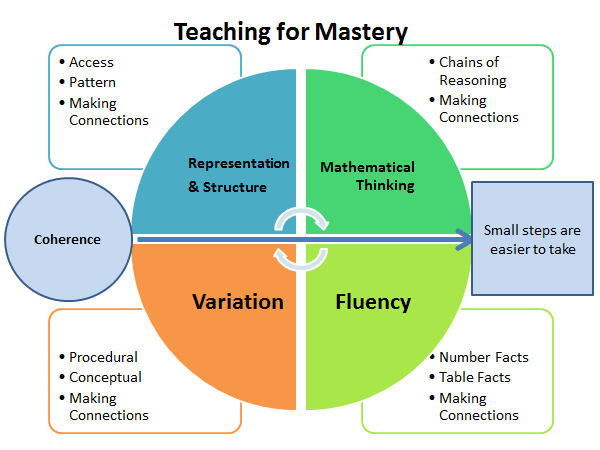
As the diagram shows, effective Teaching and Learning for Mastery builds on 5 key principles: REPRESENTATION and STRUCTURE, MATHEMATICAL THINKING, VARIATION, FLUENCY and COHERENCE.
At Scamblesby Church of England Primary School we have adopted 'White Rose' Planning and Resources, interweaving specific additions and flexibility when appropriate. This not only ensures that the children are taught and learnt logically and sequentially, but that when opportunities arise that we can ensure our curriculum can allow effective and well-reasoned adaptations. We are part of a Teaching for Mastery Work Group programme with the East Midlands East Maths Hub, working alongside other schools in the area to develop maths mastery provision for all our pupils. We have been working with the hub for three years and are currently at the stage of sustaining and embedding our Mathematics Curriculum.
RELIGIOUS EDUCATION and COLLECTIVE WORSHIP
As a Church of England Primary School, effective teaching of Religious Education is at the heart of our provision for our pupils. We use the 'Understanding Christianity' resources to structure our RE provision, which provides a clear structure of making sense of the text, understanding the Impact and making connections. To support our learning of other religions, we have adopted the Lincolnshire Agreed Syllabus for Religious Education. We have strong relations with local clergy who support us with Collective Acts of Worship and specific learning - see Class Pages for photo galleries to show our participation in services and church visits.
|
|
Y1&2 RE Medium Term Plan | [pdf 1MB] |
|
|
|
Y3&4 RE MEDIUM PLAN | [pdf 1MB] |
|
|
|
Y5&6 RE Medium Term Plan | [pdf 876KB] |
|
|
|
RE POLICY SPRING 2023 | [pdf 880KB] |
|
|
|
Collective Worship Policy 2023 | [pdf 733KB] |
|
|
|
RE News Spring 2022 | [pdf 1MB] |
|
|
|
Collective Worship at Scamblesby CE Primary School - vision document. (2) | [pdf 526KB] |
|
|
|
RE at Scamblesby CE Primary School - vision document. (1) | [pdf 221KB] |
|
Science
|
|
Year 1 to Year 6 Science Long Term Overview Curriculum Y1 - Y6... | [pdf 438KB] |
|
|
|
Y1&2 Science Medium Term Plan (revised) | [pdf 711KB] |
|
|
|
Y3&4 Science Medium Term Plan | [pdf 2MB] |
|
|
|
Y5&6 Science Medium Term Plan | [pdf 2MB] |
|
|
|
Science Policy Summer 2023 | [pdf 2MB] |
|
Art and Design
|
|
Hedgehog Art Medium term Plan | [pdf 786KB] |
|
|
|
Badger Class Art Medium term Plan | [pdf 873KB] |
|
|
|
Otter class Art medium Term Plan | [pdf 736KB] |
|
Computing
|
|
Hedgehog Computing MTP | [pdf 138KB] |
|
|
|
Badgers Computing Medium Term Plan | [pdf 214KB] |
|
|
|
Otters Computing Medium term plan | [pdf 193KB] |
|
Design and Technology
|
|
Hedgehog DT Medium Term Plan | [pdf 283KB] |
|
|
|
Badger DT Medium Term Plan | [pdf 318KB] |
|
|
|
Otter DT Metium Term Plan | [pdf 341KB] |
|
French (Modern Foreign Language)
|
|
Badgers French MTP | [pdf 1MB] |
|
|
|
Otters French MTP | [pdf 1MB] |
|
Geography
|
|
Hedgehogs Geography MTP | [pdf 526KB] |
|
|
|
Badgers Geography MTP | [pdf 607KB] |
|
|
|
Otters Geography MTP | [pdf 611KB] |
|
|
|
Geography vision | [pdf 604KB] |
|
History
|
|
Hedgehogs History MTP[36603] | [pdf 919KB] |
|
|
|
Badgers History MTP (1) | [pdf 926KB] |
|
|
|
Otters History MTP | [pdf 1MB] |
|
|
|
History vision | [pdf 598KB] |
|
Music
|
|
Music Curriculum - Year A and B (Key Stage One) | [pdf 1MB] |
|
|
|
Music Curriculum - Year A and B (Key Stage Two) | [pdf 1MB] |
|
PSHE
|
|
SCARF medium term plan new format V3.1 | [pdf 634KB] |
|
|
|
PSHE Policy | [pdf 210KB] |
|
|
|
RSE primary schools guide for parents | [pdf 438KB] |
|
|
|
Learning-journeys-Growing-and-Changing-V1.2 | [pdf 263KB] |
|